How to Keep Your Water Systems Safe in Cold Weather

18 December 2024

As the temperatures plummet across Scotland, keeping your commercial buildings warm and comfortable becomes a priority. However, amidst the focus on heating systems, it's easy to overlook the potential dangers posed by the cold to your water systems. Here at Caledonian Heating & Plumbing Ltd, we understand the importance of year-round water system maintenance. In this blog post, we'll share some key tips to help you keep your water systems safe and prevent costly issues during the cold weather months.


The Risks of Cold Weather for Water Systems


When temperatures drop below freezing, water pipes are at a higher risk of bursting. This can cause significant damage to your property, disrupt operations, and lead to costly repairs. Additionally, cold weather can create ideal conditions for the growth of Legionella bacteria, a potentially life-threatening pathogen that thrives in stagnant or slow-moving warm water.


Here are some specific concerns to be aware of:


Pipe Bursts: When water freezes, it expands, putting immense pressure on pipes. This pressure can cause pipes to crack or burst, leading to significant water damage.

Legionella Growth: Legionella bacteria can multiply in water systems that are not properly maintained, particularly in areas with lukewarm water temperatures (between 20°C and 45°C). Inhaling aerosolised droplets containing Legionella can lead to Legionnaires' disease, a serious form of pneumonia.


Taking Action to Protect Your Water Systems

Here are some essential steps you can take to mitigate the risks posed by cold weather to your commercial water systems:


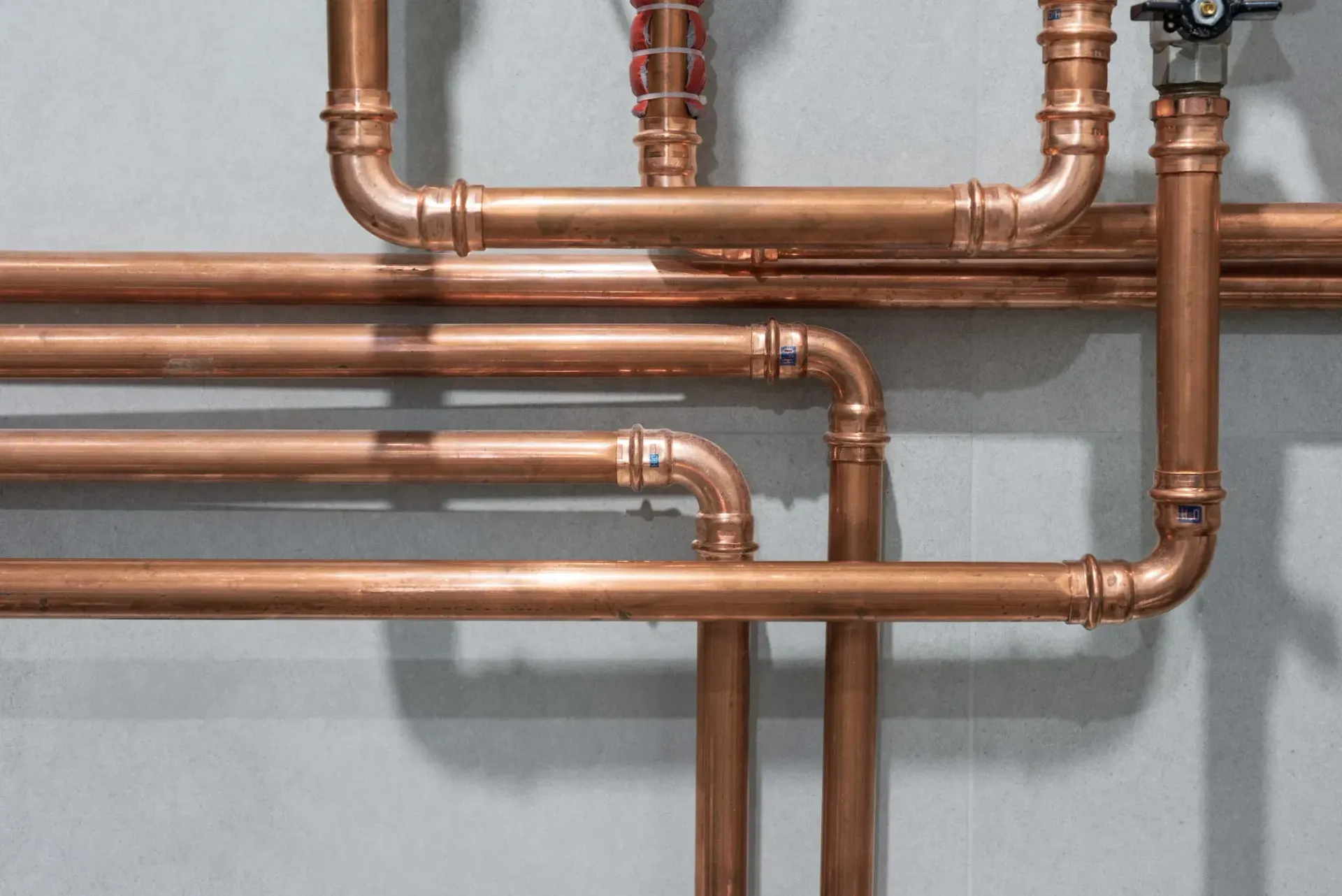
Insulate Exposed Pipes: Insulating exposed pipes in unheated areas, crawlspaces, and attics can help prevent them from freezing. 

Maintain a Consistent Minimum Temperature: If your building is unoccupied for extended periods during winter, consider setting the thermostat to a low but consistent temperature to prevent pipes from freezing.

Drip Faucets: In particularly cold weather, dripping faucets can help prevent water from freezing inside the pipes.

Schedule Regular Water System Maintenance: Regular maintenance by a qualified professional like Caledonian Heating & Plumbing can identify potential problems before they occur. This includes checking for leaks, ensuring proper insulation, and flushing your system to prevent stagnation.

Conduct Water Risk Assessments and Legionella Testing: A water risk assessment will identify areas within your water system where Legionella growth is a risk. We can also conduct regular Legionella testing to ensure your water system is safe.


At Caledonian Heating & Plumbing, we are committed to helping businesses in Edinburgh, Dundee, and the surrounding areas maintain safe and efficient water systems year-round. Our experienced technicians can provide a comprehensive range of commercial water treatment services, including:


●     Water system inspections and maintenance

●     Water tank cleaning and chlorination

●     Water risk assessments

●     Legionella testing and control plans


Don't wait for a burst pipe or a potential Legionella outbreak to disrupt your business. Contact us today to discuss your water system needs and schedule a winter check-up. We'll help you ensure your water systems are safe and reliable throughout the coldest months.

27 January 2026
Learn how often commercial water tanks should be cleaned to maintain water quality, manage legionella risk and stay compliant with UK regulations.
27 January 2026
Planned maintenance for commercial heating in Scotland reduces costly breakdowns, downtime, and ensures efficiency, safety, and compliance.
18 December 2025
Ensure patient safety and compliance with expert water risk assessments in healthcare. Prevent Legionella and protect your facility’s reputation.
19 November 2025
When it comes to plumbing issues, timing is everything. A small leak can quickly turn into a major problem if left unchecked, while some situations demand immediate attention to prevent costly damage or business disruption. Understanding the difference between emergency and routine plumbing repairs can save you time, stress, and money, and help you know when it’s time to call in the experts. What Counts as a Plumbing Emergency? A plumbing emergency is any issue that poses an immediate risk to safety, property, or business operations. In commercial environments, even a short period of downtime can have serious consequences, so swift action is essential. Common plumbing issues include: Burst or leaking pipes – Sudden water leaks can cause flooding and damage walls, floors, and electrical systems. Blocked or overflowing drains - Particularly in high-traffic areas, this can create health hazards and disrupt operations. No hot water or heating - Especially critical in settings like schools, hospitals, or care facilities. In these situations, it’s vital to contact a qualified plumbing engineer right away. Our team at Caledonian Heating & Plumbing provides rapid-response emergency support to restore safety and minimise downtime for commercial clients. When Is It a Routine Repair? Routine plumbing repairs cover non-urgent maintenance tasks or issues that develop gradually. While they might not cause immediate disruption, they still need attention to prevent bigger problems later on. Examples of routine repairs include: Slow-draining sinks or toilets Minor leaks under basins or radiators Reduced water pressure Regular maintenance of heating systems or water tanks Scheduling routine repairs ensures your systems continue running efficiently and helps you plan maintenance at a time that suits your business, avoiding the cost and chaos of unexpected emergencies. The Benefits of Preventative Maintenance Many plumbing emergencies are avoidable with regular inspections and servicing. Planned maintenance helps identify potential issues before they escalate, ensuring your systems remain compliant, efficient, and reliable. At Caledonian Heating & Plumbing, we tailor maintenance schedules for each client, from small businesses to large facilities, to keep everything flowing smoothly year-round. Proactive maintenance also supports compliance with health and safety regulations, such as ACOP L8 for water systems and Gas Safe standards for heating installations. When in Doubt, Call the Experts If you’re unsure whether an issue is urgent, it’s always best to speak with a professional. Attempting DIY fixes or delaying repairs can lead to greater damage, increased costs, and potential safety risks. At Caledonian Heating & Plumbing, our engineers are on hand to assess the situation and provide the right solution, whether that means an emergency call-out or scheduling routine maintenance at your convenience. Need urgent help or want to arrange a maintenance visit?  Contact Caledonian Heating & Plumbing today for expert, reliable service across Scotland.
17 October 2025
Discover what happens during a commercial heating system survey and report. Ensure safety, compliance, and efficiency with expert inspections tailored to your business.
16 September 2025
Discover how heat pumps pair with industrial radiators to deliver efficient, cost-saving, and sustainable heating solutions
13 August 2025
In this article, we’ll explore why bringing in a qualified professional is the only option when it comes to your commercial heating system.
9 July 2025
Discover how Caledonian Heating & Plumbing Ltd's commercial heating surveys can optimise your system and keep your business running efficiently.
11 June 2025
Find out everything you need to know about Legionella legislation and how to comply with your responsibilities as a property owner in the UK.
Blue Bacteria Microscopic View
29 April 2025
Understand legionella legislation and control requirements for commercial property owners. Learn about risk assessments, testing, and compliance duties.