Going Green with Your Commercial Plumbing System
If you’re looking for ways to reduce the carbon footprint of your business, then one of the lesser-considered ways you can do so is by rethinking the approach to your commercial plumbing. Rather than your plumbing be an afterthought, you can instead take a proactive approach to ensure that sustainable plumbing practices are being carried out throughout your business premises.
This won’t only have environmental benefits, but you may find that your business will reap some economical benefits upon doing so, too. We’ll discuss these in more detail in this guide, along with the ways in which you can go green with your commercial plumbing system - keep reading to learn more.
The Environmental and Economic Benefits of Green Plumbing
By utilising more eco-friendly systems and practices within your commercial plumbing, you can subsequently reduce the consumption of water and energy in your business over time. By conserving energy in this way, less greenhouse gases are released into the atmosphere as a result, which can help to reduce the rate at which global warming occurs.
Water is a vital resource; as well as conserving your water usage as much as possible, it’s important that the water your system does use is utilised to as full an extent as possible. This ensures that water wastage is kept to a minimum, something which is vital for the health of both the environment and the global economy.
As for the economic benefits, reducing both your water and energy consumption can ultimately lower your utility bills, something that is beneficial to your company’s finances. You may also find that you save costs on maintenance and repairs, depending on the system you use. For example, tankless water heaters have fewer moving parts than tank water heaters, thus reducing the likelihood of repairs.
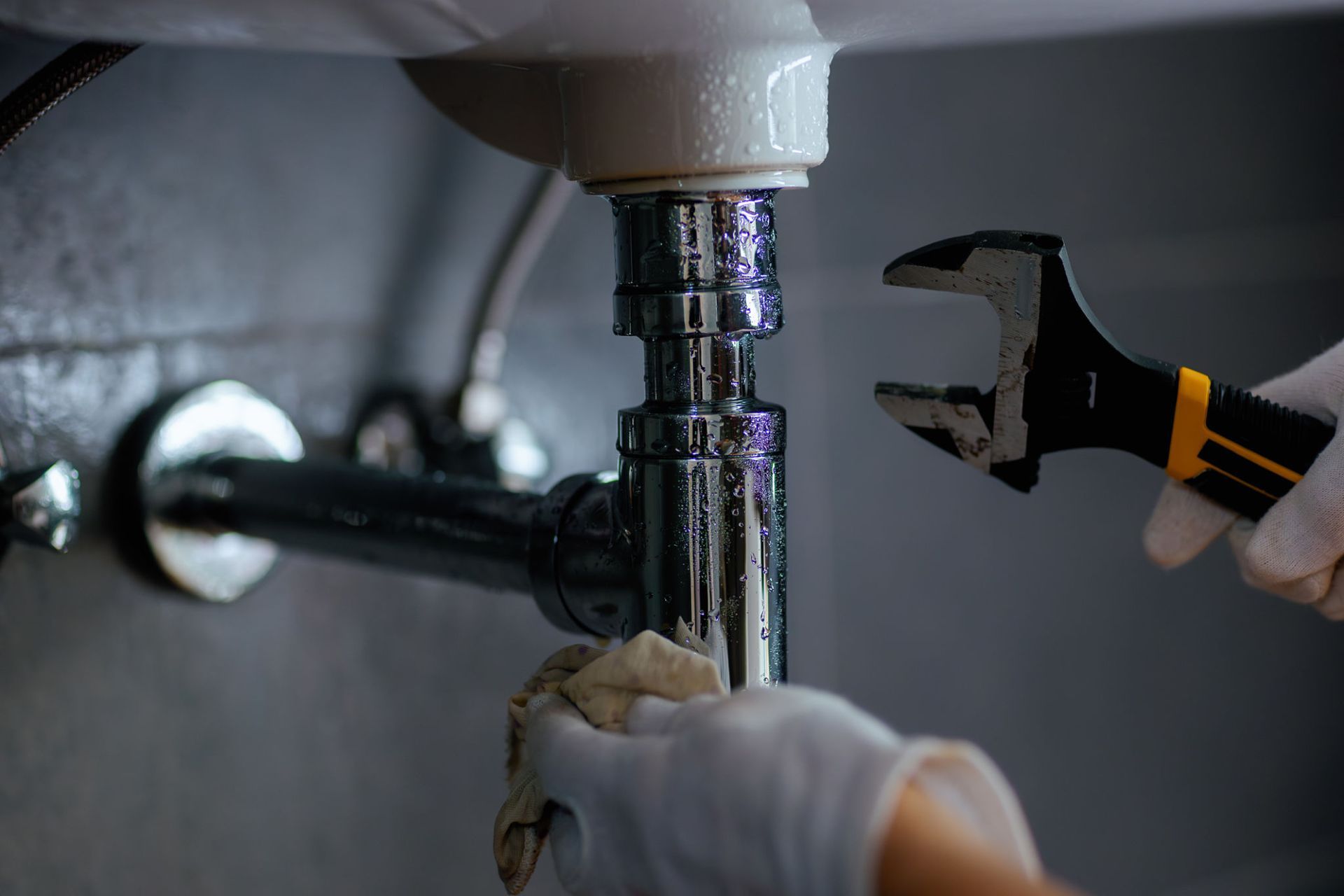
Speaking of maintenance, by investing in regular maintenance and servicing, then you can prolong the life of your system, reducing the chances of expensive repairs being required later down the line. The investment you make to maintain your system can ultimately save you money in the long run!
Understanding Water Conservation
Why Is It Important?
The conservation of water is important for a number of reasons. Firstly, it’s a vital resource that, whilst is renewable, must be managed responsibly to keep the environment healthy. For example, it’s important to reduce the amount of water diverted from rivers, bays and estuaries, since these play an important role in local ecosystems and the wider environment in general, so must be maintained at an optimal level.
Another reason why it’s important is to reduce energy consumption. Treating, pumping and heating water all requires energy, so conserving water subsequently conserves energy, which in turn reduces the negative impacts associated with energy consumption.
Tips for Water Conservation
There are various ways in which you can lower the water usage in your building. The first is by using efficient fixtures. Incorporating low-flow toilets, faucets and showerheads throughout your building, for example, can reduce the amount of water being consumed without these losing operational efficiency.
There are various ways this can be achieved, although one of the most common is to use aerators, which mix air in with the water to maintain adequate water pressure whilst subsequently reducing the amount of water that would otherwise be required to achieve said pressure.
Regular maintenance can also help to conserve water, as this reduces the likelihood of any leaks from occurring. If leaks do occur, these should be addressed and fixed promptly, keeping water wastage to a minimum.
Energy-Efficient Plumbing Systems
Tankless Water Heaters
A tankless water heater system is exactly what its name suggests - it’s a system that heats water on demand, rather than using a storage tank, like traditional systems do. Traditional systems will heat a certain amount of water to a set temperature, then store this in a hot water tank (maintaining its temperature) until it’s needed.
The issue with these systems is that they are considered to be more wasteful than tankless alternatives. This is because they heat and maintain the heat of water regardless of whether or not it’s used. If all the water in the tank isn’t used, then this is a waste of both water and energy!
As for tankless water heaters, cold water enters the system and is heated on demand when a hot water tap (or equivalent) is turned on. This process is achieved through the use of a flow sensor, which activates the heating element that warms the water, whilst a thermostat monitors the temperature and stops the process when the water reaches the desired temperature.
This is a much more energy efficient and less wasteful process, meaning it can reduce the carbon footprint of your business when you switch from an existing tank system to this one. As for how this would affect your business’ costs, whilst tankless water heaters tend to have a higher upfront cost, the savings they offer down the line often makes them a cost-effective investment.
High-Efficiency Boilers
Another system that can make the plumbing in your commercial building greener is a high efficiency (HE) boiler. HE boilers are designed to use less energy whilst producing more heat compared to conventional commercial boilers.
They achieve this by using a process known as ‘condensing’. This is when a heat exchanger extracts heat (in the form of water vapour) from the waste gases produced by the traditional combustion process, then converts this water vapour back into a liquid, before recycling it back into the system to continue heating your building.
This process is more energy efficient for two reasons in particular. The first is that less heat energy is being wasted, and the second is that less energy is required to heat the circulated water to the desired temperature, as it has essentially already been pre-heated.
All HE boilers will be at least 90% efficient or more, as is required in the UK.
Green Plumbing Materials
Sustainable Materials
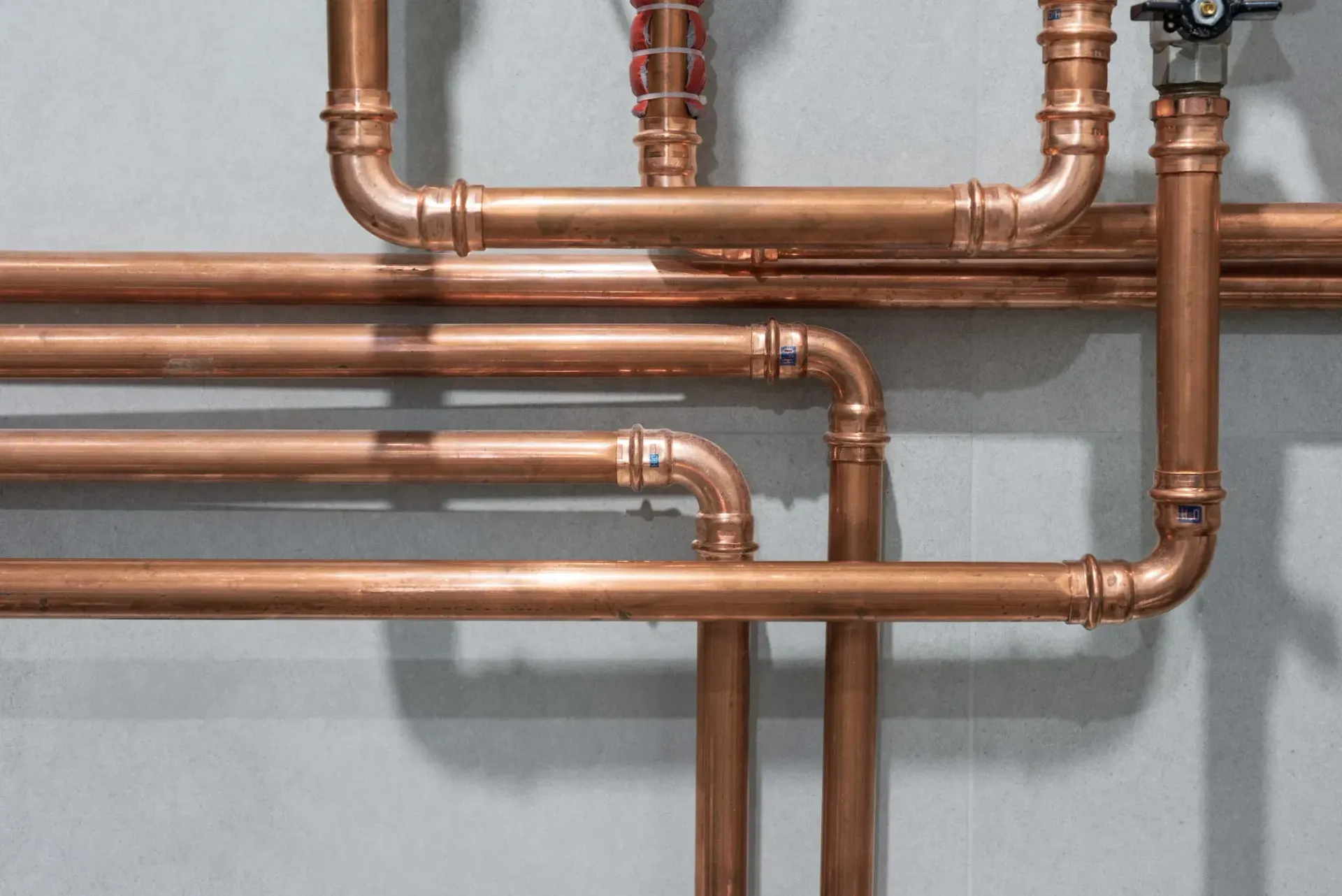
Many of the traditional materials used within plumbing are chosen for their performance properties, such as copper (which is durable and resistant to corrosion) and PVC (which is also resistant to corrosion and is lightweight). However, these aren’t the most sustainable of materials.
There are, however, alternative modern materials emerging that may be equally suitable for use in plumbing, yet have a lesser impact on the environment.
Stainless steel is one of these. Like copper and PVC, stainless steel is resistant to corrosion in most water handling applications. Unlike the former materials, though, it’s considered more environmentally friendly, as it is both non-toxic and fully recyclable.
Low-Impact Plumbing Products
There are various tools, devices and products that you can use to help your business regulate and improve your water usage.
An example of a fixed change you can make is to switch the toilets in your building to dual flush toilets. A dual flush toilet is one that has two flush options within the flush button; one is the option for a full flush, which is designed to be used for solid waste, and the other is the option for a reduced flush, which is designed for liquid waste.
Assuming people use this type of flush correctly, then this can save significant amounts of water, as less water is required when simply flushing liquid waste.
Meanwhile, if you’re looking to make a change that allows you to adapt your ongoing efforts to improve the efficiency of your plumbing systems, then you could invest in a water regulation/management device. There are various types of these devices available, including:
● Backflow prevention devices: These prevent contaminated fluids from flowing back into a water system from an appliance, a fitting or a process, which would make it otherwise unusable.
● Flow regulation devices: These limit the maximum rate of flow for any given water connection in an effort to conserve water usage.
● Water meters: These measure the amount of water that you use, providing accurate data on water flow and water consumption levels.
Commercial Plumbing Services in Edinburgh
As you will hopefully now be aware of, there are various ways in which you can improve the eco-footprint of your business through your commercial plumbing.
If your business is based in or around Edinburgh and you’re looking for a company that can help you achieve your green plumbing incentives, then look to us here at Caledonian Heating & Plumbing Ltd. Whether you require a full plumbing installation or are simply looking for improvements and additions to existing devices, we can help you with your plumbing requirements.
To discuss how we can support your business, then don’t hesitate to get in touch with us today.