Commercial Plumbing Services: Costs, Risks & Planning
For any business or organisation, a reliable plumbing system is not a luxury; it is a fundamental requirement. When things go wrong, the consequences can extend far beyond a wet floor or a dripping tap. Understanding what commercial plumbing services actually cost, what happens when repairs are delayed, and how to plan work effectively can save businesses significant time, money, and disruption.
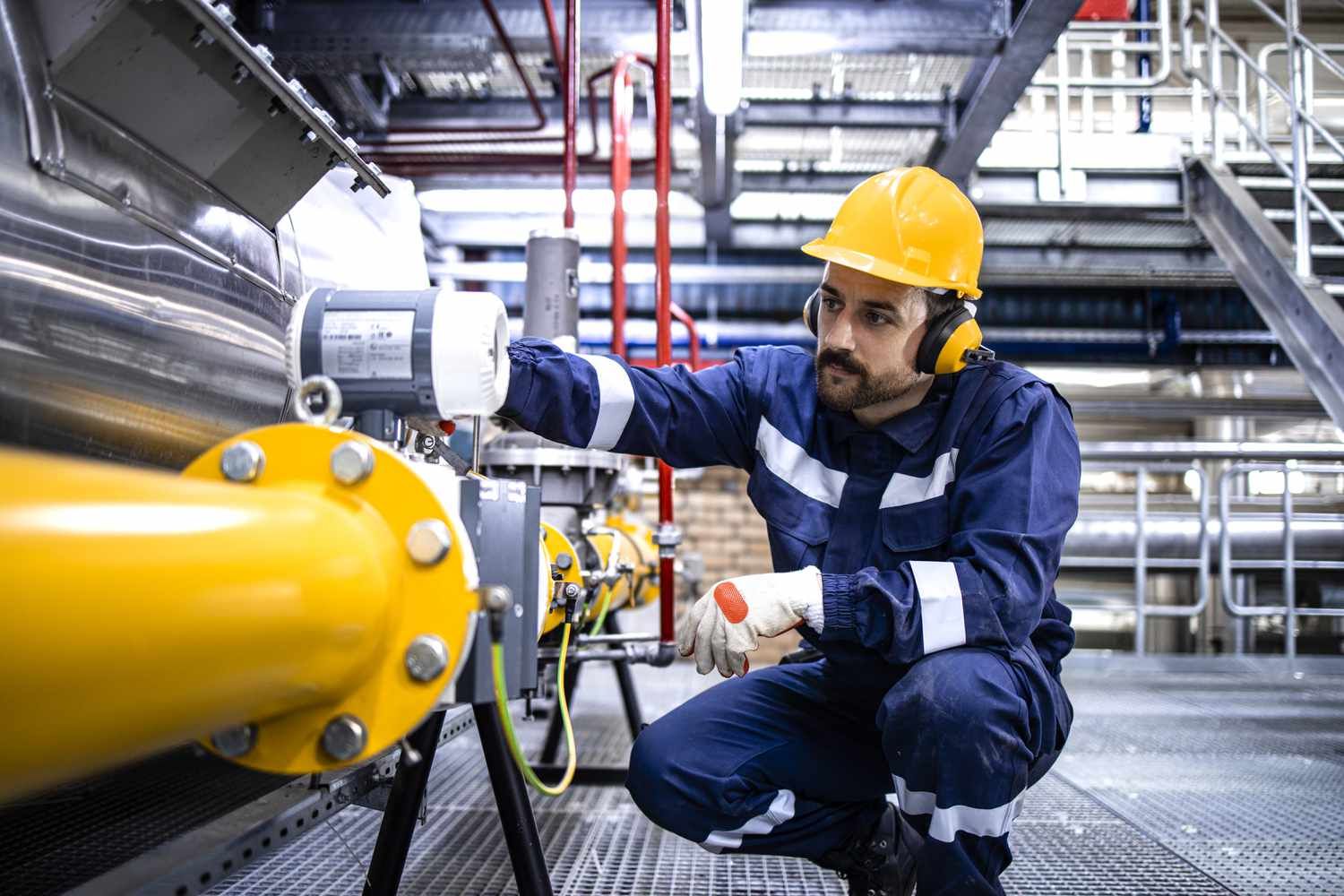
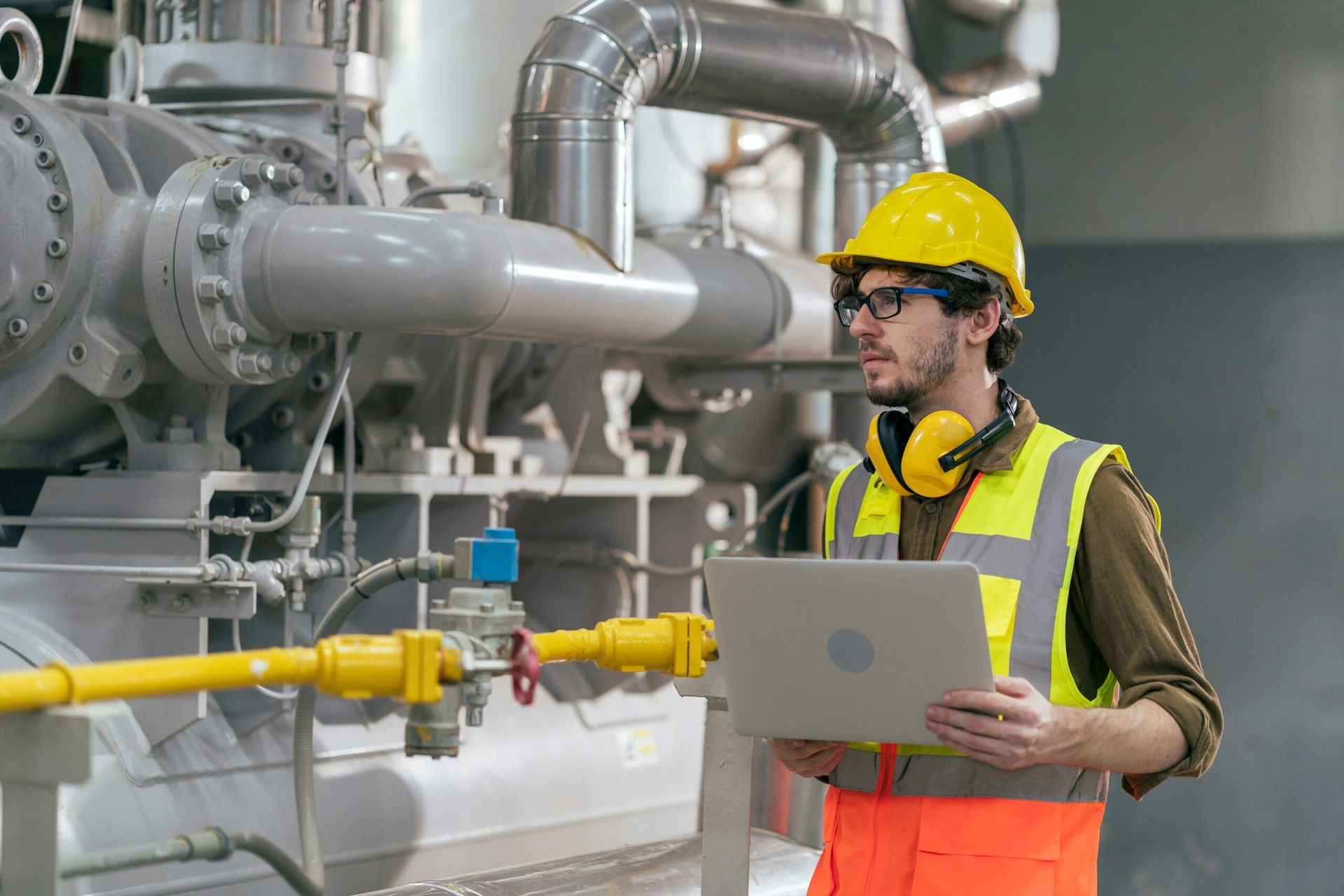
Commercial plumbing services cover everything from routine maintenance and scheduled inspections through to emergency call-outs and full system installations. Unlike domestic plumbing, commercial systems are typically more complex, serve a greater number of users, and must meet stricter health, safety, and compliance requirements.
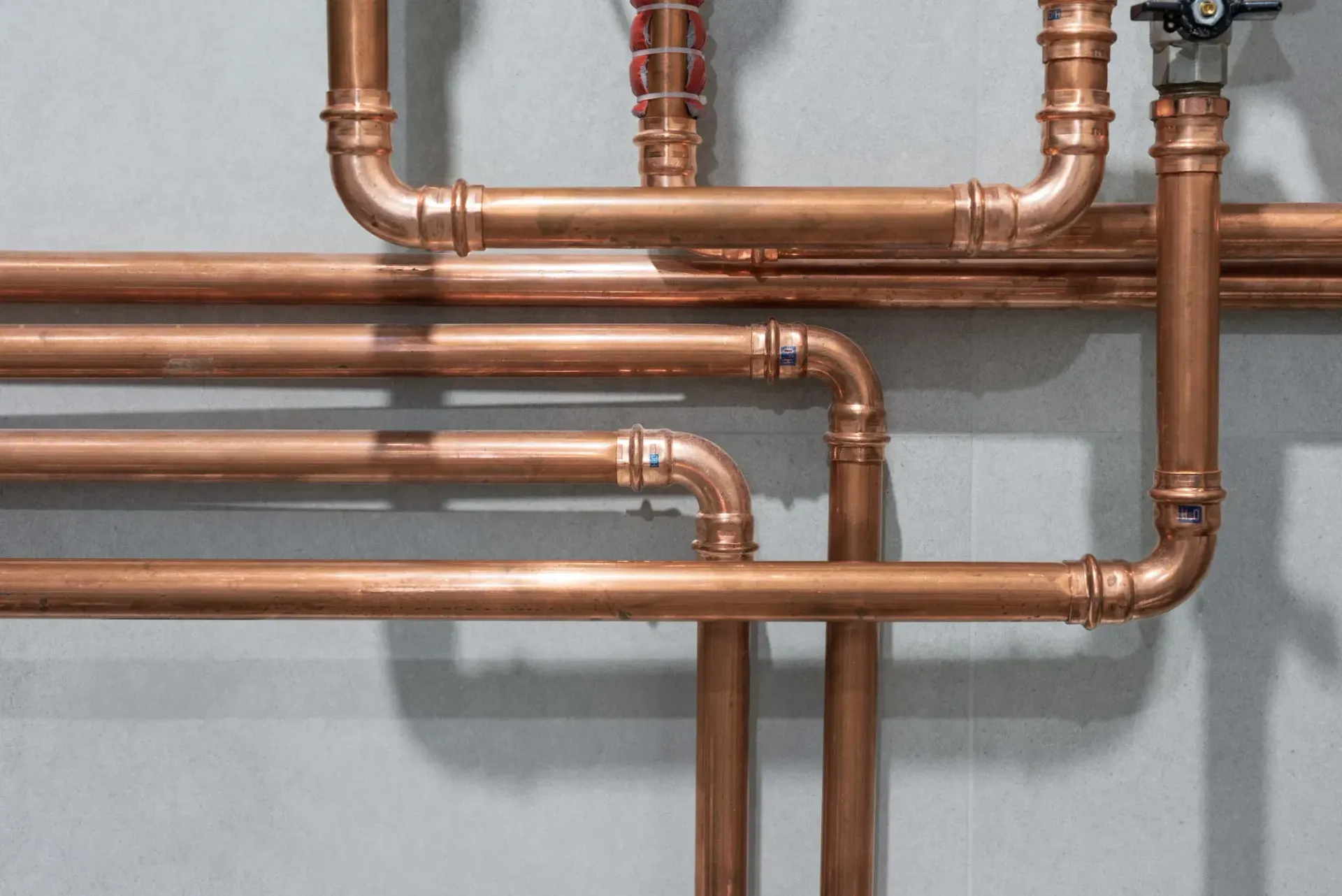
Businesses across a wide range of sectors, offices, schools, hotels, care homes, gyms, factories, and even large public venues all rely on plumbing infrastructure that must perform consistently, day in and day out. The scope of commercial plumbing repairs and installations includes pipework (copper, uPVC, and more), taps, showers, toilets, urinals, water heaters, pressure and safety valves, macerators, and hydroboils.
Because the systems are more involved and the stakes higher, commercial plumbing contractors require specialist knowledge, appropriate accreditations, and the experience to work efficiently in live business environments.
Common Commercial Plumbing Repair Costs
Costs for commercial plumbing services vary considerably depending on the nature and scale of the work, the type of premises, the urgency of the call-out, and the contractor engaged. That said, businesses can expect some general patterns.
Routine maintenance visits, inspections, minor adjustments, and component checks tend to be the most cost-effective way to keep systems in order, especially when carried out under an ongoing maintenance contract. These contracts spread costs predictably across the year, removing the uncertainty of reactive spending.
Emergency commercial plumbing call-outs are, by contrast, significantly more expensive. Out-of-hours labour rates, the urgency premium, and the potential need for specialist equipment or rapid part sourcing all drive up costs. A burst pipe or a failed water heater during business hours can also generate indirect costs that dwarf the plumber's invoice: lost productivity, temporary closures, damage to stock or equipment, and potential liability if staff or customers are affected.
Larger-scale commercial plumbing repairs, such as replacing substantial lengths of pipework, overhauling drainage systems, or installing new water treatment infrastructure, are project-specific in their pricing. These require a proper site survey and a tailored quotation.
The key takeaway for budgeting purposes is this: reactive plumbing costs substantially more than preventative plumbing, both directly and indirectly.
Factors That Affect the Price of Commercial Plumbing Work
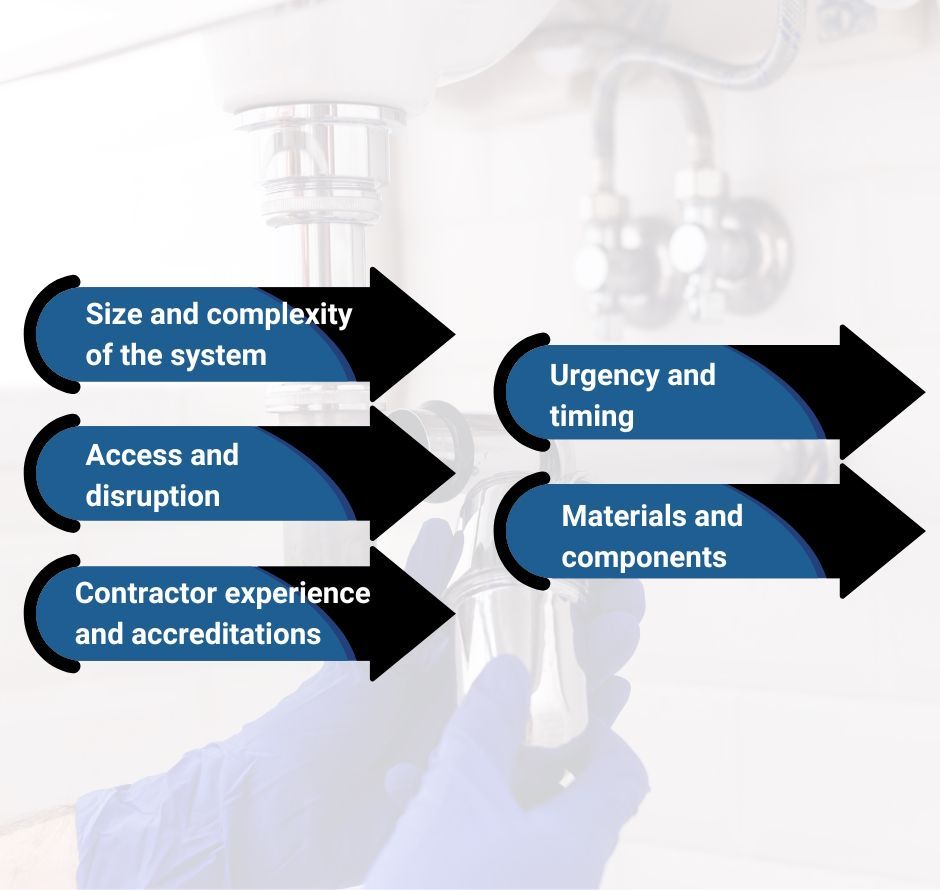
Several variables influence what a business will pay for commercial plumbing services:
Size and complexity of the system.
A small office with a few washrooms presents very different demands than a sports stadium or a care home. Larger, more complex systems require more time, more materials, and greater technical expertise.
Urgency and timing.
Emergency commercial plumbing work, particularly outside of standard business hours, carries a premium. Planned works carried out during normal hours are invariably more affordable.
Access and disruption.
If a plumber needs to work around operating areas, gain access to concealed pipework, or coordinate with other trades on site, this adds time and therefore cost.
Materials and components.
The specification of materials, from basic uPVC to specialist commercial-grade fittings, directly affects costs. Compliance requirements may also dictate the use of certain materials.
Contractor experience and accreditations.
Engaging a properly accredited commercial plumbing contractor, one that holds relevant certifications such as ISO 9001, ISO 14001, and Gas Safe registration, and is a member of bodies such as SNIPEF, provides important assurance of quality and compliance. The cheapest option is rarely the best value when the risks involved are considered.
The Risks of Delaying Commercial Plumbing Repairs
It can be tempting to defer non-urgent plumbing issues, particularly when budgets are stretched. This is, however, a decision that frequently proves costly. Plumbing problems rarely resolve themselves, and minor issues tend to escalate. A slow leak in a commercial setting can cause structural damage over time, promote mould growth, and, depending on location, create health and safety hazards for staff and visitors. Blocked or failing drainage can lead to hygiene breaches that, in regulated environments such as food service or healthcare, could trigger enforcement action or business closure.
Legionella
Legionella bacteria can proliferate in poorly maintained water systems where temperatures and water movement are not properly controlled. Businesses have a legal duty to manage this risk, and the consequences of failing to do so, for both staff welfare and legal liability, are severe. Beyond direct damage, delayed commercial plumbing repairs can lead to avoidable operational downtime. A toilet block out of action in a busy hotel, a failed water heater in a care home, or a burst pipe in a warehouse are not simply inconveniences; they are business-critical failures with real financial consequences.
The message is clear: address plumbing issues promptly, and invest in preventative maintenance to reduce the likelihood of them occurring in the first place.
The Value of Preventive Maintenance
A planned maintenance contract with a reliable commercial plumbing company is one of the most effective ways for a business to manage its plumbing costs and risks. Rather than waiting for something to fail, regular inspections allow engineers to identify deteriorating components, spot early signs of leaks or blockages, and carry out minor interventions before they become major problems.
Maintenance contracts also provide peace of mind. Businesses know that their plumbing is being monitored by experienced professionals, and that if something does go wrong, help is readily available. This is particularly valuable for organisations operating in regulated sectors, schools, care homes, and hospitality venues, where system failures can have serious consequences for the people they serve.
Crucially, good commercial plumbing contractors understand that different businesses have different needs. Contracts should be genuinely tailored to the premises and the operation, not simply a one-size-fits-all arrangement. Flexibility, including the ability to scale services up or down as requirements change, is a mark of a contractor who understands the commercial world.
How to Choose Reliable Commercial Plumbing Contractors
The quality of a commercial plumbing contractor matters enormously, and it is worth taking care to select one with the right credentials, experience, and approach. Look for contractors who hold relevant accreditations and memberships. In Scotland and across the UK, bodies such as SNIPEF (Scottish and Northern Ireland Plumbing Employers Federation), Gas Safe Register, and quality management certifications such as ISO 9001 provide important assurance. Safe Contractor approval and environmental certifications such as ISO 14001 are further positive indicators.
Experience in your specific sector is also valuable. A contractor who has worked extensively with local authorities, schools, hotels, or industrial facilities will understand the particular demands and compliance requirements of those environments and will be better placed to deliver work to the standard required. Reputation and references carry considerable weight. Contractors who can point to long-standing relationships with clients and who have testimonials from facilities managers at demanding sites are demonstrating that their service holds up over time and under scrutiny.
Finally, look for a contractor who communicates clearly and works flexibly. The best commercial plumbing companies will provide honest, competitive pricing, avoid pressuring clients into unnecessary long-term agreements, and work in ways that minimise disruption to the business.
Planning Plumbing Works to Minimise Disruption
One of the key challenges with commercial plumbing work is managing its impact on the business. For many organisations, shutting down operations entirely is not an option, and even partial disruption can be costly. Good planning starts with early engagement with your commercial plumbing contractors. The more notice they have, the more effectively they can schedule work, source materials in advance, and coordinate with any other trades involved. Works that are properly scoped and planned run more smoothly, finish faster, and cost less than those that are rushed or poorly coordinated.
Consider the timing of any significant works. Where possible, schedule major plumbing projects for quieter periods, out of peak business hours, during planned closures, or in the off-season for seasonal businesses. Phasing larger projects to keep key facilities operational at all times can also help manage disruption significantly.
Clear communication with staff, clients, and any other stakeholders affected by the works is equally important. People can adapt when they know what to expect and when; uncertainty and sudden changes are far more disruptive than planned, communicated work.
Working With Caledonian Heating & Plumbing
With over 30 years of experience in the commercial and industrial sectors, Caledonian Heating & Plumbing Ltd has built a strong reputation for delivering reliable, high-quality commercial plumbing services across Edinburgh, Glasgow, Fife, Dundee, and beyond.
From one-off emergency commercial plumbing call-outs to fully tailored maintenance contracts, the team offers flexible, competitive services designed around the needs of each client. Fully accredited and operating to current health, safety, and environmental standards, Caledonian Heating & Plumbing is the trusted commercial plumbing company for businesses and organisations of all types, from offices and schools to sports stadiums and government buildings.
To discuss your requirements or book an engineer, contact Caledonian Heating & Plumbing Ltd today on 0131 444 2010 or email info@caledonianheating.co.uk.