Things to Consider When Choosing a Commercial Gas Engineer
When it comes to maintaining the safety and efficiency of your commercial heating systems, choosing the right commercial gas engineer is of utmost importance. Whether you require commercial gas maintenance, commercial heating services, or commercial boiler servicing, making an informed decision can save you time, money, and potential headaches down the line. In this blog, we will discuss key considerations that can help you select the most suitable commercial gas engineer for your specific needs.
What Appliances Do Gas Engineers Work On?
Gas engineers work on a wide range of gas appliances, both in residential and commercial settings, such as:
Boilers
Gas engineers specialise in the installation, maintenance, repair, and servicing of boilers. This includes both residential and commercial boilers, which provide central heating and hot water in buildings.
Furnaces
Gas furnaces are common in many homes and commercial buildings, providing heat by circulating warm air through ducts. Gas engineers are skilled in installing, inspecting, and maintaining these systems.
Water Heaters
Gas water heaters heat water for domestic use in homes and commercial premises. Gas engineers can install, repair, and service various types of gas water heaters, including instantaneous water heaters and storage tank water heaters.
Gas Stoves and Ovens
Gas engineers can install, repair, and service gas stoves and ovens in residential kitchens and commercial kitchens, such as those in restaurants, hotels, and cafeterias.
Fireplaces and Gas Logs
Gas engineers are proficient in working with gas fireplaces, ensuring proper installation, ventilation, and maintenance. They can also service gas logs, which provide a convenient alternative to wood-burning fireplaces.
How Does a Commercial Gas Engineer Differ from Other Gas Engineers?
A commercial gas engineer differs from other gas engineers primarily in the scope and scale of their work. While both residential and commercial gas engineers work with gas appliances and systems, there are distinct differences in the complexity, regulations, and requirements of commercial settings. Here are some key ways in which commercial gas engineers differ:
Work on larger, more complex systems
Commercial gas systems are often larger, more complex, and more diverse than residential systems. They may involve commercial heating services, multiple boilers, complex piping networks, industrial-sized burners, commercial gas maintenance and extensive ventilation systems. Commercial gas engineers have experience and expertise in working with these larger and more intricate systems.
Understanding of Commercial Rules and Regulations
Commercial gas engineers must adhere to specific regulations and safety standards that are distinct from those in residential settings. Commercial buildings often have more complex requirements due to the higher occupancy levels and potential risks associated with larger gas systems. Commercial gas engineers are well-versed in these regulations and ensure compliance with local codes and safety standards.
Be Able to Use Specialised Equipment
Commercial gas engineers may need to work with specialised equipment and tools to service, maintain, and repair complex commercial heating systems. They are familiar with the specific requirements of commercial boilers, burners, and other industrial-grade gas appliances. Additionally, they may have access to specialised diagnostic tools and equipment for efficient troubleshooting and maintenance.
Handle Large Scale Projects
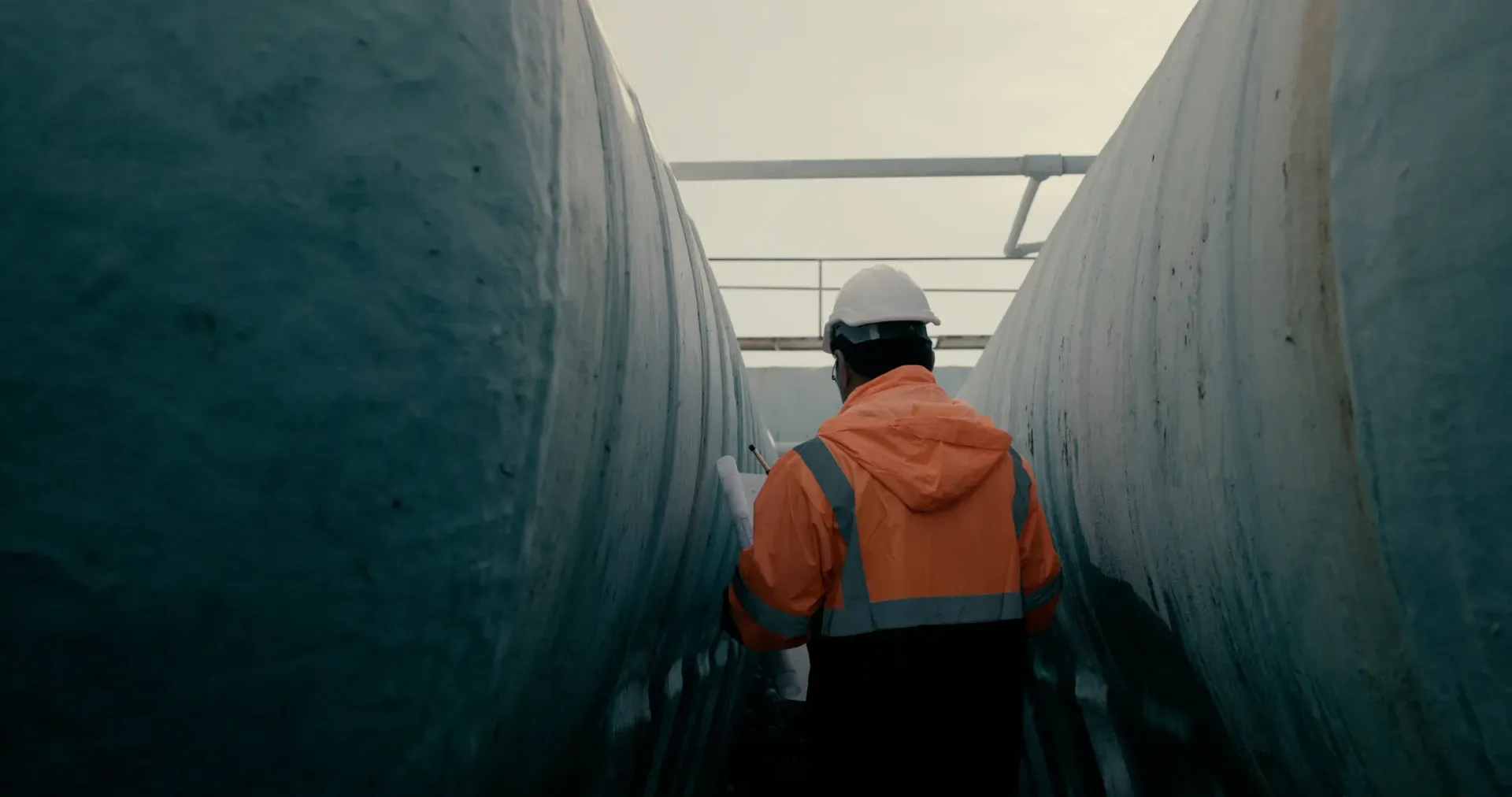
Commercial gas engineers are accustomed to handling larger-scale projects. They are experienced in working with commercial establishments such as office buildings, factories, hospitals, restaurants, and retail spaces. These projects often involve multiple systems, require meticulous planning, and demand efficient execution to minimise disruptions to business operations.
What Should I Consider When Choosing a Commercial Gas Engineer?
Qualifications and Certifications
First and foremost, ensure that any commercial gas engineer you consider hiring possesses the necessary qualifications and certifications. Look for engineers who are Gas Safe registered, as this demonstrates their competence in working with gas appliances. Additionally, certifications from reputable industry organisations can further validate their expertise. Taking the time to verify qualifications guarantees that you are hiring a competent professional.
What Qualifications Should I Look For?
The Gas Safe Register is the official gas registration body in the United Kingdom, Isle of Man, and Guernsey, responsible for promoting gas safety and regulating the gas industry. It replaced the previous organisation known as CORGI (Council for Registered Gas Installers) in 2009. The Gas Safe Register is a legal requirement for any individual or company working with gas appliances or installations in these regions.
The primary purpose of the Gas Safe Register is to ensure that gas work is carried out safely and competently by qualified professionals. It operates under the Health and Safety Executive (HSE) and has the authority to enforce gas safety regulations and standards.
Experience
Commercial gas maintenance and servicing require specialised knowledge and experience. When evaluating potential engineers, inquire about their experience in the field. Find out if they have worked on projects similar to yours and whether they have experience with commercial heating systems or boilers. An experienced engineer will have encountered a variety of challenges and developed problem-solving skills that can prove invaluable in providing efficient and effective solutions.
Previous Customer Reviews
To gain insights into the reliability and professionalism of a commercial gas engineer, consider checking their reputation and reviews. Look for testimonials or reviews on their website or online platforms to see what previous clients have to say about their services. Additionally, you can ask for references from the engineer and contact their past clients directly. A positive reputation and satisfied customers are indicators of a trustworthy professional.
Availability
In a commercial setting, time is of the essence. When a gas-related issue arises, you need a responsive and readily available engineer who can provide prompt assistance. Inquire about the engineer's availability for emergency situations and their typical response times. Knowing that you can rely on their timely support can give you peace of mind and minimise disruptions to your operations.
What Skills Should My Chosen Gas Engineer Have?
When selecting a commercial gas engineer, it's essential to consider their skills and qualifications to ensure they possess the necessary expertise to handle your specific requirements. Here are key skills that a competent commercial gas engineer should possess:
Technical Knowledge
A commercial gas engineer should have a strong foundation of technical knowledge related to gas systems, heating equipment, and associated components. They should understand the principles of combustion, heating controls, ventilation, and safety regulations specific to commercial settings. Their expertise should extend to various types of boilers, burners, pipework, and related equipment.
Gas Safety Competence
Gas safety is of utmost importance, and a skilled commercial gas engineer should have a comprehensive understanding of gas safety regulations and procedures. They should be Gas Safe registered (or the equivalent in your country) and demonstrate knowledge of industry standards, ensuring compliance with local regulations and best practices.
Diagnostic and Problem-Solving Skills
Commercial gas engineers should possess excellent diagnostic abilities to identify and troubleshoot issues efficiently. They should be able to analyse complex heating systems, identify faults, and implement effective solutions. Strong problem-solving skills enable them to address challenges promptly and minimise disruptions to your business operations.
Experience with Commercial Systems
Prior experience with commercial gas systems is crucial. An experienced commercial gas engineer will have encountered a variety of complex installations, servicing, and maintenance scenarios. They will have practical knowledge of working with large-scale boilers, ventilation systems, and the specific challenges associated with commercial settings.
Attention to Detail
Attention to detail is essential for commercial gas engineers to ensure accurate installations, thorough inspections, and meticulous maintenance. They should exhibit precision in their work to minimise the risk of errors or oversights that could compromise safety or system performance.
Good Communication and Customer Service
Effective communication skills are necessary for a commercial gas engineer to understand your specific requirements and explain technical concepts clearly. They should be able to provide updates, recommendations, and explanations in a professional and customer-oriented manner. Excellent customer service skills foster positive relationships, ensuring a smooth and collaborative working experience.
Time Management
Commercial gas engineers often work in fast-paced environments where time is critical. They should have good time management skills, enabling them to prioritise tasks and complete projects within agreed-upon deadlines. Additionally, they should demonstrate flexibility to accommodate emergency situations or unforeseen circumstances that may require their immediate attention.
Caledonian Heating Ltd: Commercial Gas Engineer Specialists
At Caledonian Heating Ltd, we deliver expert commercial services such as commercial heating services and commercial gas servicing to help your business stay on top of its commercial gas maintenance needs. We can also provide a range of heating upgrades, where we supply and install radiators, gas heating and new boilers.
Contact us today to find out more about how we can help.