Plumbing Repairs: When to DIY & When to Call a Professional

Caledonian Heating & Plumbing Limited • 27 March 2024

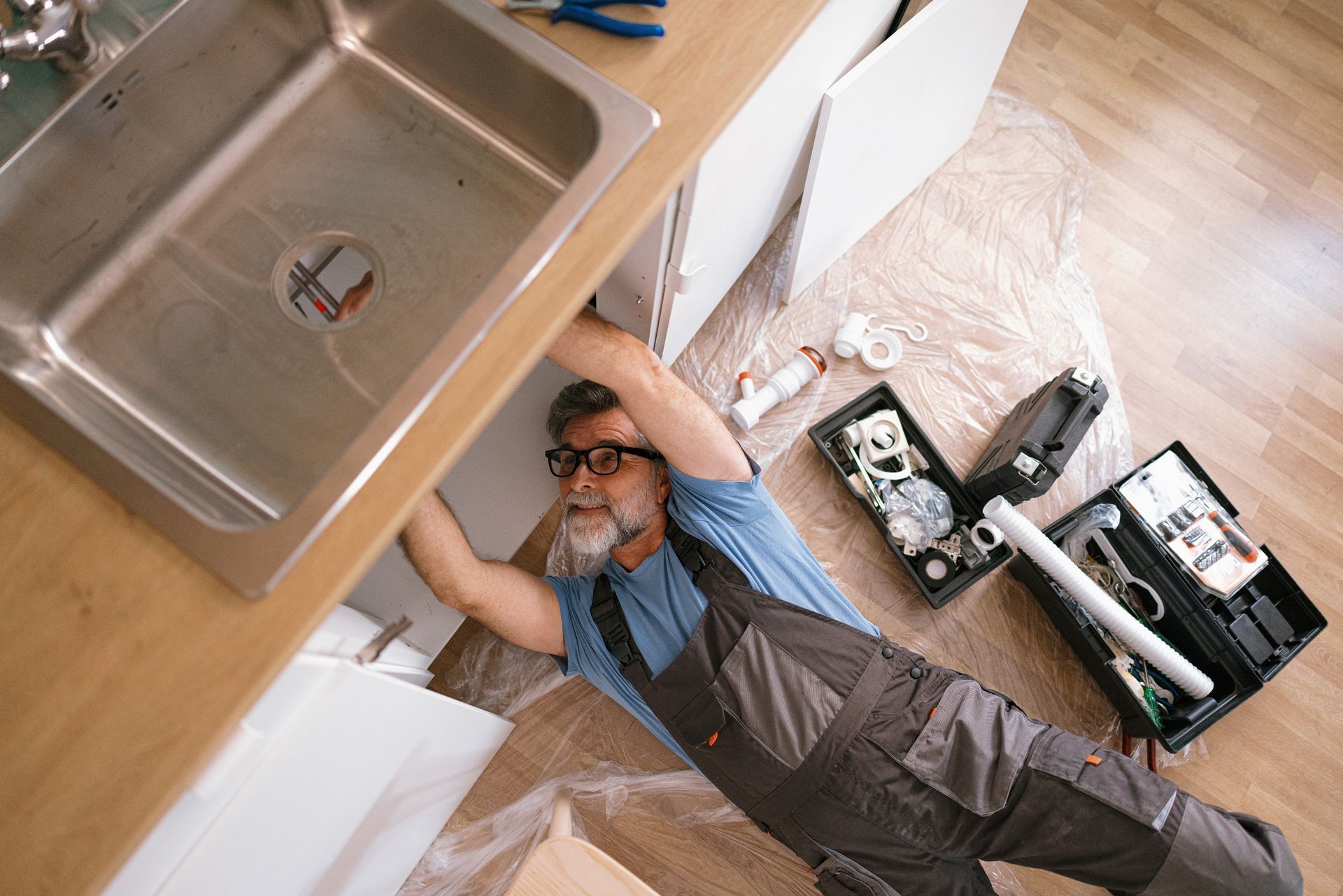
When a small plumbing issue strikes, whether it be a minor leak or a faulty tap, it’s natural for your first thought to be to fix it yourself. After all, many of us will have the necessary tools and basic experience to perform small repairs ourselves. Not only this, but taking the repairs into your own hands saves you the cost and extra time of hiring a plumber.


While this is all well and good, sometimes DIY plumbing just won’t cut it. There are certain repair jobs that the average person simply isn’t trained to perform, and is best left to a professional who knows what they’re doing. Attempting it yourself might even cause more damage, meaning you’ll have to fork out for expensive maintenance work. 


But how do you know when to DIY plumbing repairs or call in a professional? Read on to find out. 


When to DIY

Some plumbing work is easy enough to do on your own, and if the problem isn’t too serious, you likely won’t need a professional to help you out. Simple tasks like unclogging a toilet, fixing a leaking tap in the kitchen or bathroom or installing a new shower head are jobs that can be done with the help of a couple of YouTube tutorials or a product instruction manual. 


When to Hire a Commercial Plumbing Contractor

For more complex plumbing jobs, it’s best to have a plumber complete the job. Even if you think you know what the problem is and how to fix it, the issue might be more complicated than you’d anticipated. If in doubt, it’s best to get help from a plumber who is more equipped to deal with the issue at hand.


If you’re still unsure, here are some repairs that should be left to a plumber:


  • Turning off the water supply: Drainage problems often require shutting off the water supply to prevent any leaks or bursting. While simple, low stakes jobs like the ones we mentioned above are relatively easy to figure out, if the problem involves a large water source, leave it to a professional. 


  • Renovations: If you’re undergoing renovation work and discover you need to move around some pipes, or expand your plumbing system into your new extension, you will need to contact a professional. These types of jobs involve removing and reinstalling important pieces of pipework, and only a trained plumber would know how to properly handle them. Certain types of equipment also require a licence to operate, which an industry professional will have.


  • External plumbing work: Sometimes, the issue isn’t on your end and actually stems from a larger grid problem in your area. Once again, this is something a professional could identify. Plus, with an issue this serious, other buildings in the area might be implicated. Needless to say, repair work like this is completely out of your skillset and needs to be handled by a commercial plumbing contractor. 


Commercial Heating & Plumbing Repairs in Scotland

Whether it's a pre-arranged plumbing maintenance contract or a one-off emergency call out to repair burst pipes, the team at Caledonian Heating & Plumbing have the technical know-how and experience to assist with your needs. We provide commercial plumbing and heating repairs and maintenance to all businesses across Edinburgh and Dundee, no matter what the sector. Get in touch with us for more information. 
27 January 2026
Learn how often commercial water tanks should be cleaned to maintain water quality, manage legionella risk and stay compliant with UK regulations.
27 January 2026
Planned maintenance for commercial heating in Scotland reduces costly breakdowns, downtime, and ensures efficiency, safety, and compliance.
18 December 2025
Ensure patient safety and compliance with expert water risk assessments in healthcare. Prevent Legionella and protect your facility’s reputation.
19 November 2025
When it comes to plumbing issues, timing is everything. A small leak can quickly turn into a major problem if left unchecked, while some situations demand immediate attention to prevent costly damage or business disruption. Understanding the difference between emergency and routine plumbing repairs can save you time, stress, and money, and help you know when it’s time to call in the experts. What Counts as a Plumbing Emergency? A plumbing emergency is any issue that poses an immediate risk to safety, property, or business operations. In commercial environments, even a short period of downtime can have serious consequences, so swift action is essential. Common plumbing issues include: Burst or leaking pipes – Sudden water leaks can cause flooding and damage walls, floors, and electrical systems. Blocked or overflowing drains - Particularly in high-traffic areas, this can create health hazards and disrupt operations. No hot water or heating - Especially critical in settings like schools, hospitals, or care facilities. In these situations, it’s vital to contact a qualified plumbing engineer right away. Our team at Caledonian Heating & Plumbing provides rapid-response emergency support to restore safety and minimise downtime for commercial clients. When Is It a Routine Repair? Routine plumbing repairs cover non-urgent maintenance tasks or issues that develop gradually. While they might not cause immediate disruption, they still need attention to prevent bigger problems later on. Examples of routine repairs include: Slow-draining sinks or toilets Minor leaks under basins or radiators Reduced water pressure Regular maintenance of heating systems or water tanks Scheduling routine repairs ensures your systems continue running efficiently and helps you plan maintenance at a time that suits your business, avoiding the cost and chaos of unexpected emergencies. The Benefits of Preventative Maintenance Many plumbing emergencies are avoidable with regular inspections and servicing. Planned maintenance helps identify potential issues before they escalate, ensuring your systems remain compliant, efficient, and reliable. At Caledonian Heating & Plumbing, we tailor maintenance schedules for each client, from small businesses to large facilities, to keep everything flowing smoothly year-round. Proactive maintenance also supports compliance with health and safety regulations, such as ACOP L8 for water systems and Gas Safe standards for heating installations. When in Doubt, Call the Experts If you’re unsure whether an issue is urgent, it’s always best to speak with a professional. Attempting DIY fixes or delaying repairs can lead to greater damage, increased costs, and potential safety risks. At Caledonian Heating & Plumbing, our engineers are on hand to assess the situation and provide the right solution, whether that means an emergency call-out or scheduling routine maintenance at your convenience. Need urgent help or want to arrange a maintenance visit?  Contact Caledonian Heating & Plumbing today for expert, reliable service across Scotland.
17 October 2025
Discover what happens during a commercial heating system survey and report. Ensure safety, compliance, and efficiency with expert inspections tailored to your business.
16 September 2025
Discover how heat pumps pair with industrial radiators to deliver efficient, cost-saving, and sustainable heating solutions
13 August 2025
In this article, we’ll explore why bringing in a qualified professional is the only option when it comes to your commercial heating system.
9 July 2025
Discover how Caledonian Heating & Plumbing Ltd's commercial heating surveys can optimise your system and keep your business running efficiently.
11 June 2025
Find out everything you need to know about Legionella legislation and how to comply with your responsibilities as a property owner in the UK.
Blue Bacteria Microscopic View
29 April 2025
Understand legionella legislation and control requirements for commercial property owners. Learn about risk assessments, testing, and compliance duties.